Prisma Psychology
Come Home to Your Self: Sustainable Healing for Sensitive Souls

Get in touch Learn More

About

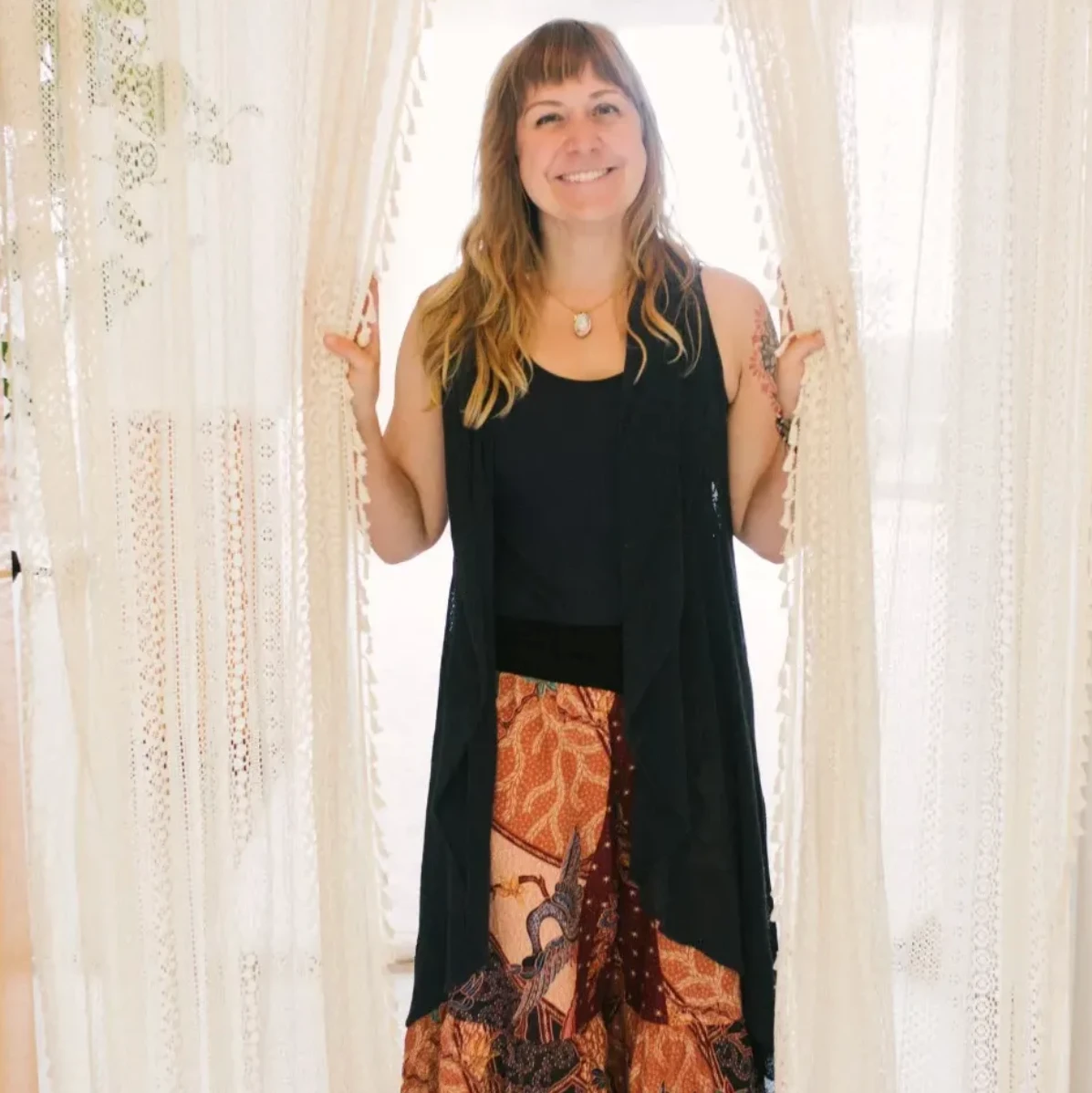
Hi, I’m Dr. Elizabeth Fox Butler. I don't see the world as black. vs. white, light vs. dark, etc.; I think in rainbow.

I’m a licensed clinical health psychologist, but you might also call me a mind mender and a sensitive person whisperer. I’m a neurosparkly and neurodiversity-loving human, parent, child, therapist, client, teacher, student, and much more (as we all are!) on a lifelong journey to hone self-acceptance and healthily channeling life force. Supporting fellow neurodivergent parents, teens, and young adults is my life’s purpose. I hope to set an example by consistently investing in my own healing and realization of my highest self so my cup is full and I can serve others from a thoroughly nourished place.

I help Highly Sensitive and/or Neurodivergent individuals, romantic partners, and parent-child dyads 13+ with trauma, anxiety, grief, strengths and struggles related to various sensitivities, and more. 

Who I Serve My Approach
I can help you if you're struggling to accept yourself. You’re ready for growth but don’t know where to start. You long to feel accepted but lost when you try to express yourself. You want to stop hurting but aren’t sure how to comfort yourself.

I help neurodivergent people, highly sensitive, introverted, and LGBTQIA2S+ adults, partners, teens, and parents:
• Repair your relationships through deep healing and more connection
• Embrace your strengths and struggles to reduce inner conflict
• Learn to understand and sustain day-to-day energy levels
• Structure your routines to fuel your energy and share your gifts
• Cope with stress without feeling deprived or driven into unwanted coping attempts
• Seek and embrace social support in the most resonant communities possible
• Minimize, heal, and soothe anxiety
• Channel your sensitivity and use it for good
• Modify your environment so you can thrive
• Fine-tune and follow your intuition
• Repair your relationship to mind-altering substances and/or compulsive behaviors
• Safely work with psychedelic molecules to maximize healing and minimize potential harm
• Understand your needs and effectively request accommodations
• Increase comfort in unfamiliar or anxiety-provoking situations
• Disrupt avoidance and pain-tension cycles so you can engage with life in the exact ways you want
• Increase your sense of belonging without sacrificing authenticity
• Engage with social justice activism in ways that suit your unique nervous system
I know from my own personal work and helping hundreds of sensitive and introverted clients that you, too, are capable of facing your fears, healing your pain, and living a full life. Change happens through subtle and steady action, which adds up to significant results.
Some of my most recent training experiences include:
• Internal Family Systems: A Step-by-Step Guide Through Clinical Applications of the IFS Model with Frank Anderson MD
• Hope for Treatment-Resistant Depression w/ Janina Fisher PhD
• Healing the Ancestral Lines (Year 1 & 2) at The Last Mask Center
• Integrative Psychiatry Institute's yearlong intensive psychedelic-assisted therapy fellowship
• Racial Dynamics in Clinical Supervision and Training
• Dick Schwartz's Internal Family Systems Masterclass
• Janina Fisher's Integrative Trauma Treatment Masterclass: Blending IFS, Sensorimotor, Mindfulness, Psychoeducation, & More
• Internal Family Systems for Parents with Frank Anderson, MD
• Growing Orchids: Raising the High-Needs or Orchid Child
• Keys to Deepening Your Breathwork Practice with Neurodynamic Breathwork Online
• Community-Based Neuroprotective Developmental Infant Care with Possums for Mothers and Babies
• It Takes a Village: Creating Conditions of Acceptance for Gender Nonconforming Children and Youth at Mind the Gap
• A Contemporary Psychoanalytic Approach to Couples Therapy
• What’s Your Gender? A Gender Affirmative Model for Working with Children and Youth with Diane Ehrensaft
• Energy Body Maintenance and Energy Body Clearing with the Last Mask Center
• Therapeutic Touch for Healers with Jim Gilkeson CST
• Brain Training Program for Highly Sensitive People with Julie Bjelland LMFT
• Various Trainings with Bay Area Open Minds, Mind the Gap, & GAYLESTA

Specialties

Neurodiversity-Affirming Support

My IFS-informed approach honors neurodivergence as a natural and meaningful variation of human wiring — including Autism, ADHD, high sensitivity, and diverse learning styles. Rather than focusing on deficits, we center your strengths and natural rhythms. Together, we shape your environments and relationships to support who you are — instead of asking you to fit into spaces that don’t. Your nervous system is not a problem to fix, but a compass to trust.

Psychedelic-Assisted Therapy

I offer Ketamine-Assisted Psychotherapy (KAP) in collaboration with Journey Clinical’s medical team and other subscribers, along with harm reduction and integration support for psilocybin, MDMA, cannabis, huachuma, ayahuasca, hapé and other expanded-state work. With specialized training and grounded preparation, I help you explore expanded states safely and intentionally. Together, we create an inclusive, culturally humble space where insight becomes embodied change and new perspectives can take root in daily life.

Traumatic Grief Recovery

Whether your grief comes from sudden trauma or long-held pain, I offer steady space for what feels unfinished — the emotions that were once too much or too alone to fully process. Through somatic parts work and earth-rooted practices, we gently support your body in completing what it couldn’t before. Healing unfolds at the pace of trust, restoring safety, balance, and a deeper sense of belonging within yourself.

Healing for Parents

Parenthood often awakens our younger parts — especially at tender or challenging stages of our child’s development. Lasting healing comes from tending these parts with compassion rather than pushing them aside. I walk alongside parents in this profound rite of passage, supporting you as you grow, repair, and root more deeply into yourself — with courage, tenderness, and a bright, steady fire of devotion.

Frequently Asked Questions

What if I had a bad therapy experience before?

Honestly? That makes you pretty good company — and it makes sense that you'd be cautious. Therapy, like most relationships, depends enormously on fit. A bad experience is real and worth honoring, but it's not the whole story. You're allowed to try again, with different eyes and a different guide. It's important to me to ensure we would be a good fit before working together and that's one of the reasons I offer a free 15-minute consult call.

Are sessions in-person or online?

Most sessions happen online — because comfort matters, and your couch counts as sacred space. For those who'd love a change of scenery, I offer in-person sessions a few days each month at The Rockview Nest in Los Osos, CA. It's a cozy, client-dedicated office-apartment where you can exhale fully — and if you'd like to turn your visit into a little retreat, overnight accommodations are available. You're welcome to stay a while.

What can I expect in a session?

We start with real life — the moments that brought you here, and the older ones still quietly making noise. From there, we slow down together and get curious about the different parts of you that have been working so hard. (We all have them, truly.) You'll learn to meet yourself with more gentleness, find new ways to express what's inside, and build a more balanced relationship with your own inner world. Along the way, we tune into body, mind, and spirit — not to fix what's broken, but to recognize what's already whole. Sessions are available in person in Los Osos, California or online for California residents.

What are the fees?

My full rate is $250 for a 60-minute session. Shorter, prorated sessions are available for younger clients or lighter check-ins, and longer sessions are there for those who want more — which can actually speed up progress over time and reduce the number of sessions needed overall.
I also hold a limited number of sliding scale slots for folks from marginalized communities. Please don't hesitate to reach out about current availability — I'm genuinely happy to talk through what might work for you.

Should I use my insurance?

Insurance and I have a simple arrangement: I don't bill them directly, which helps keep your sessions private and your records protected. But that doesn't mean coverage is off the table. Many plans reimburse for out-of-network psychotherapy, and some employer benefit plans cover services too — so it's always worth a call to find out what your plan offers. In the meantime, here's the simple version: you pay at each session, and once a month my assistant or I will send you a form to submit to your insurance company. They handle the rest, reimbursing you directly at home.

What is the difference between therapy and talking to a friend?

One of the things that makes therapy different from a really good conversation with a friend is this: what you say here doesn't go anywhere. Your friends love you, and love has a long memory — but your therapist holds your story without carrying it into the rest of their life, and without it ever leaving the space you've created together. Friends offer something irreplaceable — but friendship and therapy are different crafts. A therapist brings professional training and tools to every session, listens with a depth and steadiness that's hard to sustain in everyday relationships, and holds space without any agenda of their own. We won't jump in with advice you didn't ask for. Instead, we'll sit with you long enough to notice the threads that run through your story — and when the moment is right, we'll lovingly nudge you toward the parts that are ready to shift.
Your sessions are fully confidential, and nothing is shared without your written permission. California law does require a few narrow exceptions: unreported child or elder abuse, a threat to another person's life, a court subpoena, or a medical emergency during session. Confidentiality may also need to be carefully navigated if you are in imminent danger of harming yourself or are gravely disabled — meaning you're unable to meet your own basic needs. In those moments, the priority becomes your safety above all else.